
Best badminton rackets for shoulder comfort (2026)
Frames that reduce arm load without giving up club-level play — prioritising head-light recovery, medium flex, and honest weight class over smash marketing.
By Rui Su · Founder, IntoBadminton · Div 4 Ireland · trained under former Malaysia national and China provincial-team coachesUpdated
Disclosure: Some outbound retailer links may be affiliate links. They never change editorial order or fit scores. Affiliate policy
What makes a racket shoulder-friendly
Shoulder pain in badminton usually comes from swing weight + stiff shaft + over-tension, not from playing badminton itself. The fix is rarely “buy the lightest frame on the shelf.” Start with head-light or even balance, medium or hi-flex shaft, and 4U (or 5U while rebuilding). Drop tension 2 lb at the next restring. If pain persists, see a physio — equipment helps only after load management.
| Weight | Balance | Shaft flex | Best for | |||||
|---|---|---|---|---|---|---|---|---|
| #1 | Yonex Nanoflare 700 Pro (2024) | ~$240 | 4.5 | 5 | 4U / 5U | Head-light | Medium-stiff | Club doubles with shoulder caution |
| #2 | Yonex Arcsaber 7 Pro | ~$220 | 4.3 | 5 | 4U | Even | Medium | Even-balance control without harsh stiffness |
| #3 | Yonex Nanoflare 1000 Play | ~$75 | 4.0 | 69 | 4U | Head-light | Medium | Return-to-play after time off |
| #4 | Victor DriveX 8S | ~$180 | — | 72 | 4U | Even | Medium | Victor all-court with medium flex |
| #5 | Mizuno Altius N-Feel | ~$200 | — | 64 | 4U | Even | Medium | Softest flagship-class feel |
| #6 | Yonex Nanoray Light 70i | ~$99 | — | 64 | ~70 g (7.0i class) | Head-light | Hi-flex | Minimum swing weight while rehabbing |
Finder fit scores use the reference club doubles profile. Take the quiz for your shortlist.
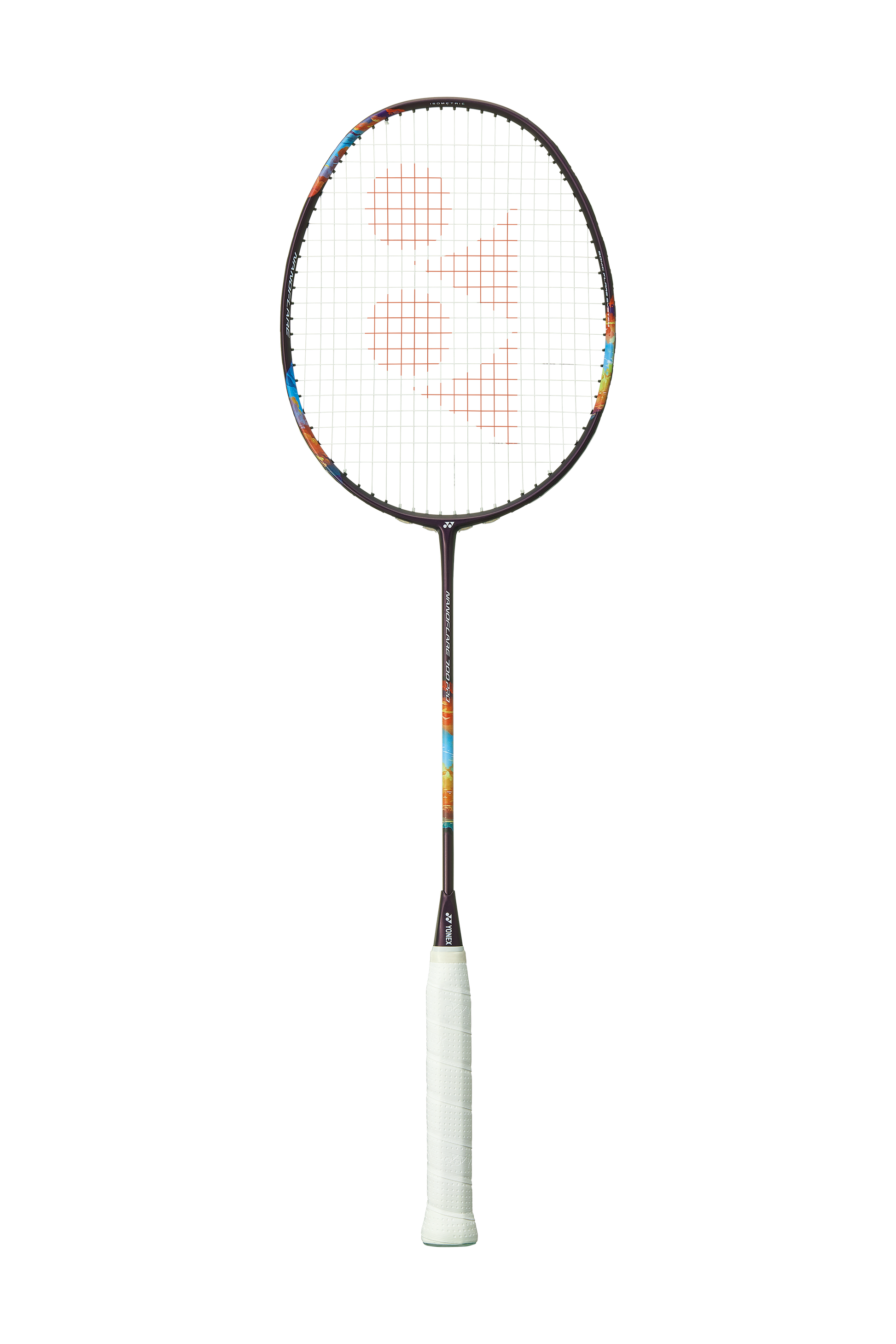
Image: Yonex (us.yonex.com) ~$240street estimate
Best for: Club doubles with shoulder caution
- Weight
- 4U / 5U
- Balance
- Head-light
- Shaft flex
- Medium-stiff
Why this pick: Head-light Nanoflare recovery without 1000Z stiffness. Founder notes the 5U variant as beginner-friendly while keeping speed-frame feel.
Tradeoff: Less rear-court smash than head-heavy Astrox — choose attack only if timing is already clean.
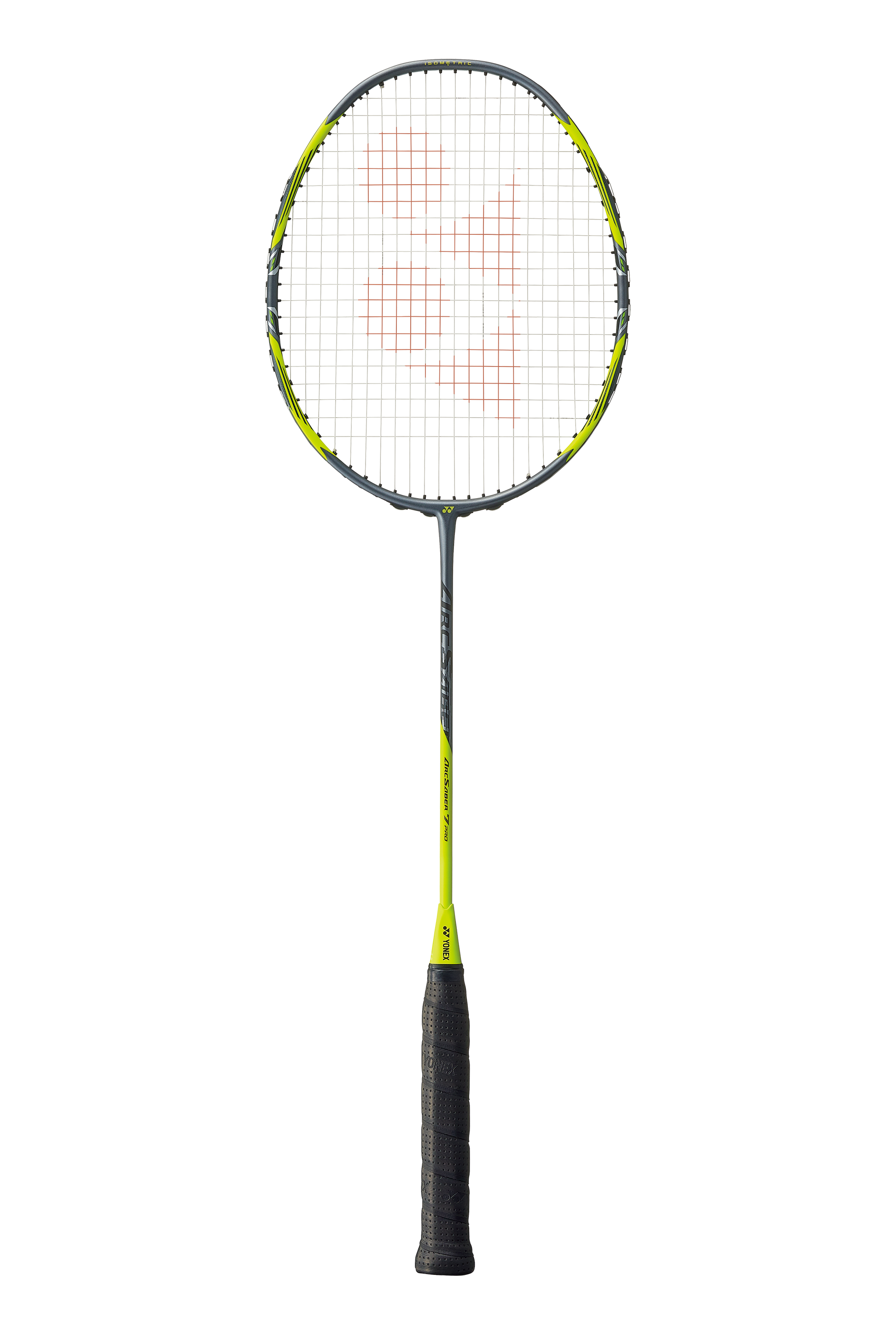
Image: Yonex (us.yonex.com) ~$220street estimate
Best for: Even-balance control without harsh stiffness
- Weight
- 4U
- Balance
- Even
- Shaft flex
- Medium
Why this pick: Control-line geometry with a shaft flex club players can actually load. Teaches placement before chasing extra-stiff attack frames.
Tradeoff: Not the fastest flat-drive frame — doubles specialists may want Nanoflare speed instead.
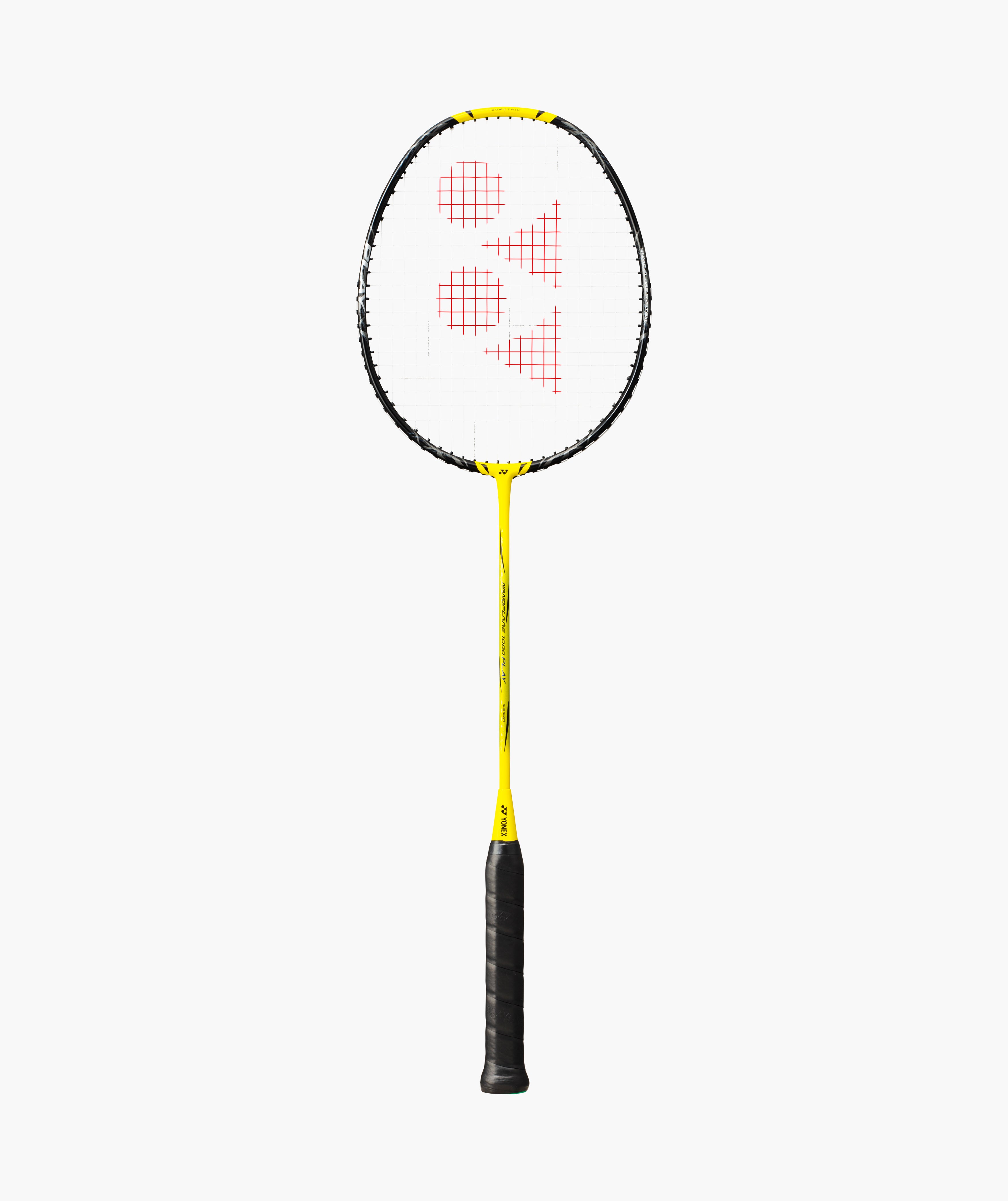
Image: Yonex (us.yonex.com) ~$75street estimate
Best for: Return-to-play after time off
- Weight
- 4U
- Balance
- Head-light
- Shaft flex
- Medium
Why this pick: Play-tier head-light Nanoflare shape with medium flex — keeps mishits from shocking the shoulder while you rebuild timing.
Tradeoff: Softer feel than Pro tiers — plan to upgrade once you consistently load a medium shaft.

Image: Victor (victorsport.com) ~$180street estimate
Best for: Victor all-court with medium flex
- Weight
- 4U
- Balance
- Even
- Shaft flex
- Medium
Why this pick: DriveX platform even balance with medium flex — predictable on defensive lifts and flat drives without Astrox-level head mass.
Tradeoff: Less marketing pull than Yonex flagships; demo availability varies by region.

Image: Mizuno Japan (jpn.mizuno.com) ~$200street estimate
Best for: Softest flagship-class feel
- Weight
- 4U
- Balance
- Even
- Shaft flex
- Medium
Why this pick: Mizuno’s feel-forward line — dampened feedback and medium flex suit players who want less shock at contact without going full hi-flex Play tier.
Tradeoff: Smaller demo network than Yonex/Victor in Western markets.
~$99street estimate
Best for: Minimum swing weight while rehabbing
- Weight
- ~70 g (7.0i class)
- Balance
- Head-light
- Shaft flex
- Hi-flex
Why this pick: Lowest swing weight on this list — useful for short rehab sessions or warming up before switching to your main 4U frame.
Tradeoff: Not match-ready for rear-court attack; treat as a bridge, not a forever racket.
Frequently asked
Should I drop tension for shoulder pain?+
Usually yes — try 2 lb below your current bed on the next restring. Higher tension narrows the sweet spot and transmits more shock on off-centre contact.
Are head-heavy rackets always bad for shoulders?+
They load the shoulder more on recovery, especially with stiff shafts. If you already smash cleanly and pain-free, a moderate head-heavy frame can be fine. If you are managing flare-ups, default head-light or even.
When should I see a physio instead of changing rackets?+
If pain lasts more than two weeks, wakes you at night, or worsens despite load changes. Equipment tuning helps only alongside proper rehab.
Score rackets against your comfort flags
This page shortlists head-light and even frames for shoulder-friendly setups. The finder’s joint flags cover knee, ankle, and heel — use those plus level and discipline for a personalised score, then keep balance and tension conservative if shoulders are the concern.