
Best all-round badminton rackets (2026)
Even-balance frames that do not punish wrong role choices — six picks for club doubles, mixed, and singles players still discovering their style.
By Rui Su · Founder, IntoBadminton · Div 4 Ireland · trained under former Malaysia national and China provincial-team coachesUpdated
Disclosure: Some outbound retailer links may be affiliate links. They never change editorial order or fit scores. Affiliate policy
What 'all-round' actually means
An all-round racket sits near even balance (~290–298 mm) with a shaft flex you can actually load in real rallies. It clears comfortably, drives flat in doubles, and smashes well enough without the recovery penalty of a head-heavy frame. All-round is not 'no identity' — it is a deliberate compromise for players who rotate court positions or have not yet committed to attack vs speed. If you already know you live at the rear court, head-heavy guides will serve you better.
| Balance | Shaft flex | Weight | Best for | |||||
|---|---|---|---|---|---|---|---|---|
| #1 | Yonex Arcsaber 7 Pro | ~$220 | 4.3 | 5 | Even (~290 mm) | Medium | 4U | Control-leaning all-court club player |
| #2 | Victor DriveX 8S | ~$189 | — | 72 | Even (~295 mm) | Medium | 3U / 4U | Doubles all-court, medium flex |
| #3 | Li-Ning Halbertec 8000 (战戟 8000) | ~$165 | — | 72 | Even (~304 mm) | Medium | 3U / 4U | Value even-balance doubles |
| #4 | Victor Brave Sword 12 | ~$165 | — | 72 | Even (~290 mm) | Medium | 3U / 4U | Classic Victor all-rounder |
| #5 | Victor Jetspeed 12 | ~$219 | 4.0 | 76 | Even (~295 mm) | Medium | 3U / 4U | Even balance with speed DNA |
| #6 | Yonex Arcsaber 7 Tour | ~$130 | 4.0 | 78 | Even (~293 mm) | Medium | 3U / 4U | Budget even-balance Yonex |
Finder fit scores use the reference club doubles profile. Take the quiz for your shortlist.
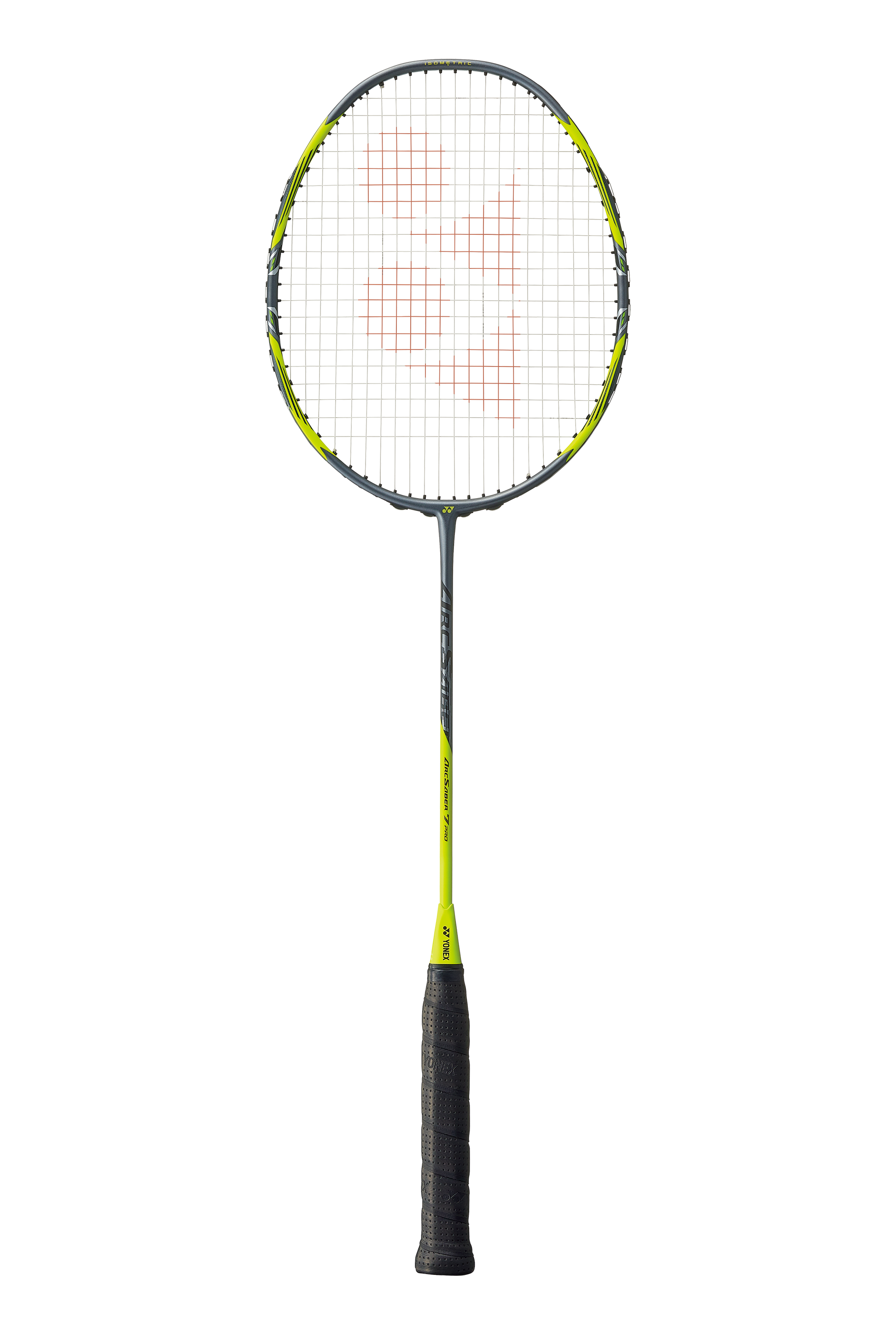
Image: Yonex (us.yonex.com) ~$220street estimate
Best for: Control-leaning all-court club player
- Balance
- Even (~290 mm)
- Shaft flex
- Medium
- Weight
- 4U
Why this pick: Yonex's modern even-balance control flagship — generous sweet spot, repeatable flat drives, enough head mass for clears without Astrox recovery cost.
Tradeoff: Not the heaviest smash frame — rear-court specialists may want head-heavy Astrox or Halbertec Power.
Image: Victor (victorsport.com) ~$189street estimate
Best for: Doubles all-court, medium flex
- Balance
- Even (~295 mm)
- Shaft flex
- Medium
- Weight
- 3U / 4U
Why this pick: Victor's even-balance workhorse — fast enough for front court, stable enough for rear-court drives. Medium shaft forgives timing gaps better than extra-stiff flagships.
Tradeoff: Less smash ceiling than head-heavy DriveX attack variants.

Image: Li-Ning (li-ningsports.co.uk) — Halbertec 8000 Capri Breeze ~$165street estimate
Best for: Value even-balance doubles
- Balance
- Even (~304 mm)
- Shaft flex
- Medium
- Weight
- 3U / 4U
Why this pick: Halbertec control geometry at mid-flagship pricing — stable on defence, quick on flat exchanges. Strong second-racket pick when your main frame is head-heavy.
Tradeoff: Brand resale outside Asia is thinner than Yonex/Victor.
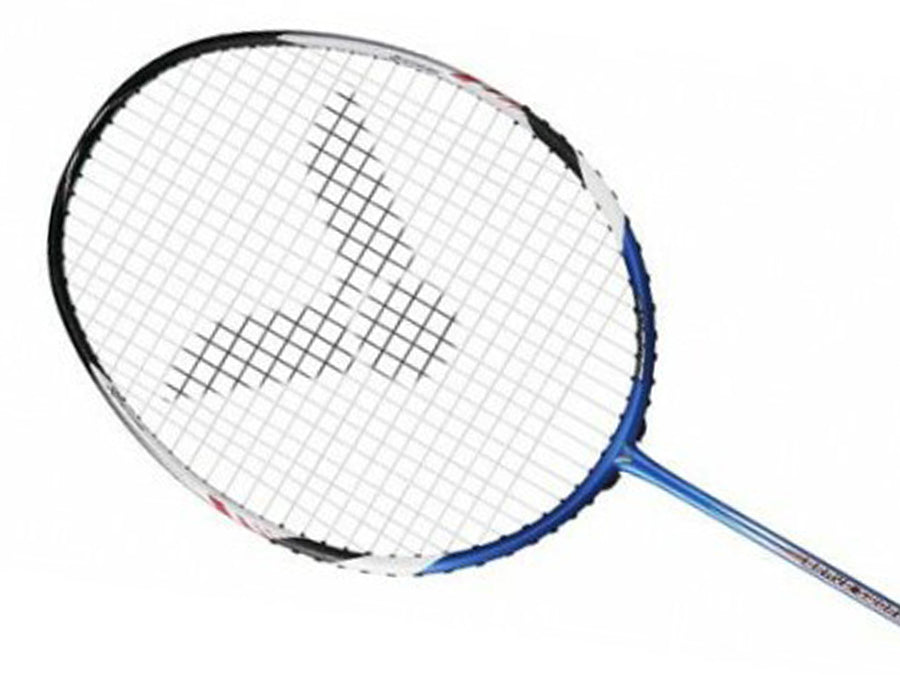
Image: Victor (shop.au.victorsport.com) — Brave Sword 12 Blue ~$165street estimate
Best for: Classic Victor all-rounder
- Balance
- Even (~290 mm)
- Shaft flex
- Medium
- Weight
- 3U / 4U
Why this pick: Still in print after years on club courts — reasonable smash, easy clears, forgiving sweet spot. The frame many Victor players recommend when you 'do not yet know your style'.
Tradeoff: Aesthetics and tech story feel dated next to 2024–2026 flagships.
Image: Victor (victorsport.com) ~$219street estimate
Best for: Even balance with speed DNA
- Balance
- Even (~295 mm)
- Shaft flex
- Medium
- Weight
- 3U / 4U
Why this pick: Jetspeed aerodynamics with even balance — quicker recovery than head-heavy attack frames while keeping enough mass for baseline clears.
Tradeoff: Extra-stiff variants in the line exist; confirm flex stamp — medium is the all-round pick.

Image: Yonex (us.yonex.com) ~$130street estimate
Best for: Budget even-balance Yonex
- Balance
- Even (~293 mm)
- Shaft flex
- Medium
- Weight
- 3U / 4U
Why this pick: Bridges Play-tier pricing and Pro-tier Arcsaber control — strong value for control-leaning amateurs who want Yonex build quality without flagship cost.
Tradeoff: Materials and smash mass below Arcsaber 7 Pro — upgrade path is clear once timing stabilises.
Frequently asked
All-round vs head-heavy — which wins in doubles?+
Front-court specialists often prefer head-light or even frames; rear-court smashers want head-heavy. If you play both positions in social doubles, even balance is the safer default until your role is fixed.
Is even balance boring?+
No — it trades peak smash for consistency. Many competitive club players perform better with even balance because mishits are less punishing and recovery is faster.
Can beginners start with all-round frames?+
Yes — medium flex + even balance is the most forgiving combination for learning timing. Beginner-specific guides bias softer shafts; this list targets players ready for graphite performance frames.
Find your even-balance match
The finder scores every catalogue racket on style, discipline, level, budget, and comfort — including even-balance rows you might skip in a head-heavy shortlist.