
Best defensive badminton rackets (2026)
Frames for players who win points on blocks, lifts, and flat drives — six picks for defensive doubles, mixed front court, and side-by-side recovery.
By Rui Su · Founder, IntoBadminton · Div 4 Ireland · trained under former Malaysia national and China provincial-team coachesUpdated
Disclosure: Some outbound retailer links may be affiliate links. They never change editorial order or fit scores. Affiliate policy
What makes a racket defensive
Defensive play is not the same as head-light geometry alone. You need fast recovery after blocks, a shaft that returns the shuttle on flat drives without mush, and enough stability to absorb smashes when coverage breaks down. The best defensive frames sit head-light or even with a stiff enough shaft that passive contact still sends the shuttle deep. If your winners are rear-court smashes, use our smash-heavy guide instead.
| Weight | Balance | Shaft flex | Best for | |||||
|---|---|---|---|---|---|---|---|---|
| #1 | Yonex Nanoflare 700 Pro (2024) | ~$210 | 4.5 | 5 | 4U | Head-light | Medium-stiff | Flagship defensive speed |
| #2 | Yonex Nanoflare 800 Pro (2024) | ~$240 | 4.3 | 5 | 4U | Head-light | Stiff | Fast-flat defensive doubles |
| #3 | Victor Auraspeed 90K II | ~$230 | 4.0 | 5 | 4U | Head-light | Stiff | Large-frame defensive drives |
| #4 | Victor Jetspeed 12 | ~$200 | 4.0 | 76 | 3U / 4U | Even (~295 mm) | Medium-stiff | Even-balance defensive transition |
| #5 | Yonex Arcsaber 7 Tour | ~$140 | 4.0 | 78 | 4U | Even | Medium | Control-first defensive craft |
| #6 | Li-Ning Halbertec 7000 II | ~$130 | — | 65 | 4U | Even | Medium | Budget defensive all-court |
Finder fit scores use the reference club doubles profile. Take the quiz for your shortlist.
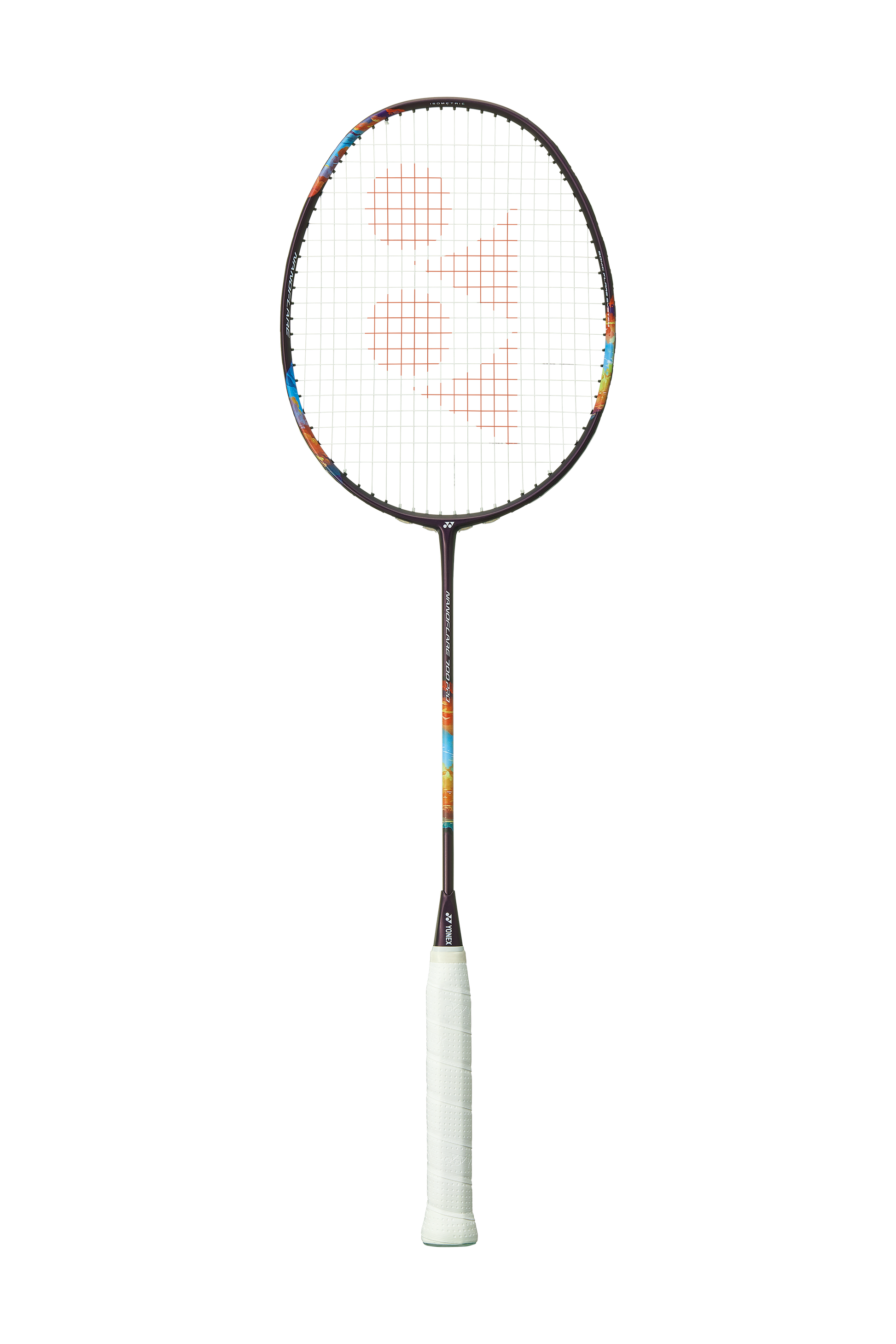
Image: Yonex (us.yonex.com) ~$210street estimate
Best for: Flagship defensive speed
- Weight
- 4U
- Balance
- Head-light
- Shaft flex
- Medium-stiff
Why this pick: Yonex's forgiving Nanoflare defensive platform — broad sweet spot, quick block-and-reset, less timing demand than the 1000Z stiff flagship.
Tradeoff: Less flat-drive ceiling than 800 Pro or 1000Z — upgrade when contact is consistent.

Image: Yonex (yonex.com) — current 2024 colourway ~$240street estimate
Best for: Fast-flat defensive doubles
- Weight
- 4U
- Balance
- Head-light
- Shaft flex
- Stiff
Why this pick: Crisp-elastic head-light frame built for continuous flat exchanges and defensive recovery in men's doubles — faster off-string than the 700 Pro line.
Tradeoff: Stiffer shaft punishes late preparation — not a beginner defensive frame.
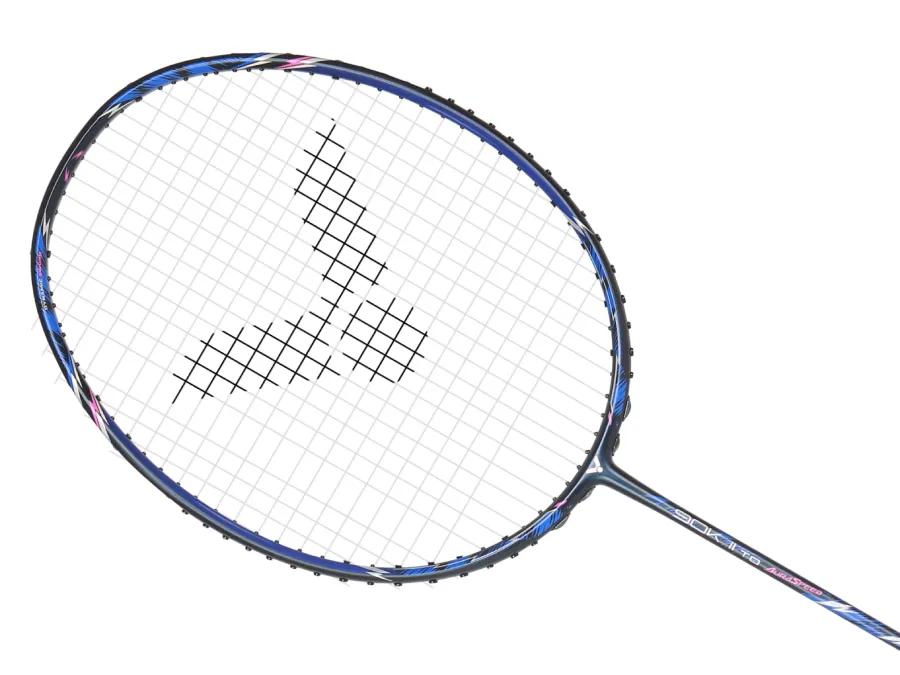
Image: Victor (victorsport.com) ~$230street estimate
Best for: Large-frame defensive drives
- Weight
- 4U
- Balance
- Head-light
- Shaft flex
- Stiff
Why this pick: Victor's aero speed platform with a forgiving hoop — stable on rushed defensive lifts and flat counterattacks without the Nanoflare crispness tax.
Tradeoff: Large frame feels slower on the fastest net reflexes versus compact speed rackets.

Image: Victor (victorsport.com) ~$200street estimate
Best for: Even-balance defensive transition
- Weight
- 3U / 4U
- Balance
- Even (~295 mm)
- Shaft flex
- Medium-stiff
Why this pick: Even-balance Victor classic — enough head mass for rear-court lifts when rotation breaks down, still quick enough for front-court blocks and drives.
Tradeoff: Not as head-light as Nanoflare lines — front-court specialists may prefer pure speed geometry.

Image: Yonex (us.yonex.com) ~$140street estimate
Best for: Control-first defensive craft
- Weight
- 4U
- Balance
- Even
- Shaft flex
- Medium
Why this pick: Tour-tier control frame with softer timing than Nanoflare flagships — strong for placement-first defensive players who value net touch over raw drive speed.
Tradeoff: Less flat-drive speed than stiff Nanoflare or Auraspeed platforms.

Image: e78.us (Li-Ning Halbertec 7000 II) ~$130street estimate
Best for: Budget defensive all-court
- Weight
- 4U
- Balance
- Even
- Shaft flex
- Medium
Why this pick: Li-Ning defensive-control line at mid-tier pricing — credible block-and-lift platform for club doubles without flagship spend.
Tradeoff: Build consistency varies by batch — inspect frame alignment on delivery.
Frequently asked
Defensive racket vs head-light racket — what's the difference?+
Head-light describes where mass sits; defensive describes how you win points. Most defensive frames are head-light, but not every head-light frame forgives rushed blocks. This guide ranks by defensive recovery and flat-drive stability, not balance point alone.
Can rear-court players use defensive rackets?+
Yes in doubles when you rotate and defend side-by-side. Pure rear-court smash specialists usually want even or head-heavy balance. Mixed front-court roles are where defensive geometry shines.
What string tension for defensive doubles?+
Most defensive frames work at 24–26 lb for club players — enough repulsion for flat drives without the harsh feedback of 27+ lb on tired arms. See our string tension guide for level-specific ranges.
Match racket geometry to your court role
The finder scores defensive, front-court, and all-court styles against your level and comfort flags — so you do not buy smash mass when your points come from blocks and flat drives.