
Best head-light badminton rackets (2026)
Head-light frames trade smash mass for recovery — six picks for net players, defensive specialists, and doubles front-court roles.
By Rui Su · Founder, IntoBadminton · Div 4 Ireland · trained under former Malaysia national and China provincial-team coachesUpdated
Disclosure: Some outbound retailer links may be affiliate links. They never change editorial order or fit scores. Affiliate policy
When head-light is the right geometry
Head-light balance (typically <285mm) shifts swing weight toward the handle. That makes net kills, blocks, and flat drives faster to recover from — but rear-court smashes need more active wrist and shoulder loading. Pick head-light when your points are won at the tape or in flat exchanges, not when your match-winner is a rear-court jump smash. Pair with medium or stiff shaft if you want crisp drives; hi-flex if you are still building timing.
| Weight | Balance | Shaft flex | Best for | |||||
|---|---|---|---|---|---|---|---|---|
| #1 | Yonex Nanoflare 1000Z | ~$280 | — | 5 | 4U | Head-light | Extra stiff | Flagship head-light speed |
| #2 | Victor Auraspeed HS Plus | ~$220 | — | 5 | 4U | Head-light | Stiff | Large-frame head-light drives |
| #3 | Victor Auraspeed Fantome (影刃) | ~$195 | 4.0 | 69 | 4U | Head-light | Stiff | Club head-light all-court |
| #4 | Yonex Nanoflare 800 Pro (2024) | ~$240 | 4.3 | 5 | 4U | Head-light | Stiff | Head-light defensive recovery |
| #5 | Li-Ning Bladex 800 Speed | ~$160 | — | 5 | 4U | Head-light | Medium-stiff | Value head-light speed |
| #6 | Yonex Nanoray Light 70i | ~$99 | — | 64 | 7.0i (~70g) | Head-light | Hi-flex | Budget head-light intro |
Finder fit scores use the reference club doubles profile. Take the quiz for your shortlist.

Image: Yonex (yonex.com) ~$280street estimate
Best for: Flagship head-light speed
- Weight
- 4U
- Balance
- Head-light
- Shaft flex
- Extra stiff
Why this pick: Yonex's stiffest Nanoflare platform — maximum flat-drive speed and defensive reflexes. The reference head-light frame for advanced doubles front court and speed-first singles.
Tradeoff: Extra-stiff shaft punishes off-centre contact — not a beginner frame.
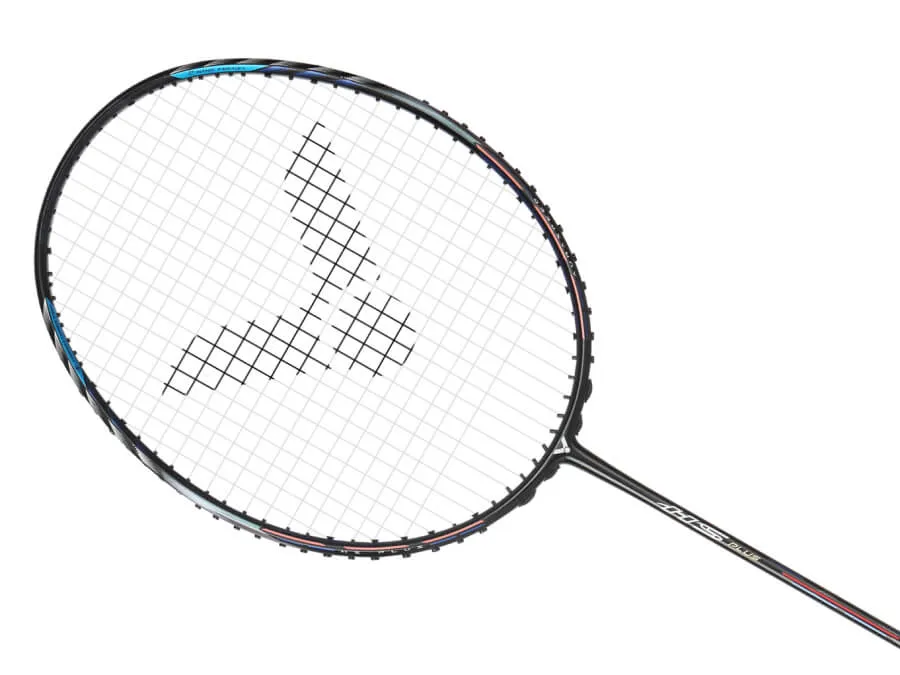
Image: Victor (victorsport.com) ~$220street estimate
Best for: Large-frame head-light drives
- Weight
- 4U
- Balance
- Head-light
- Shaft flex
- Stiff
Why this pick: Victor's signature large-frame speed racket — stable on flat drives with more forgiveness than the 1000Z stiff platform. Strong doubles front-court choice.
Tradeoff: Large frame slightly slower on the fastest net reflexes versus compact speed frames.
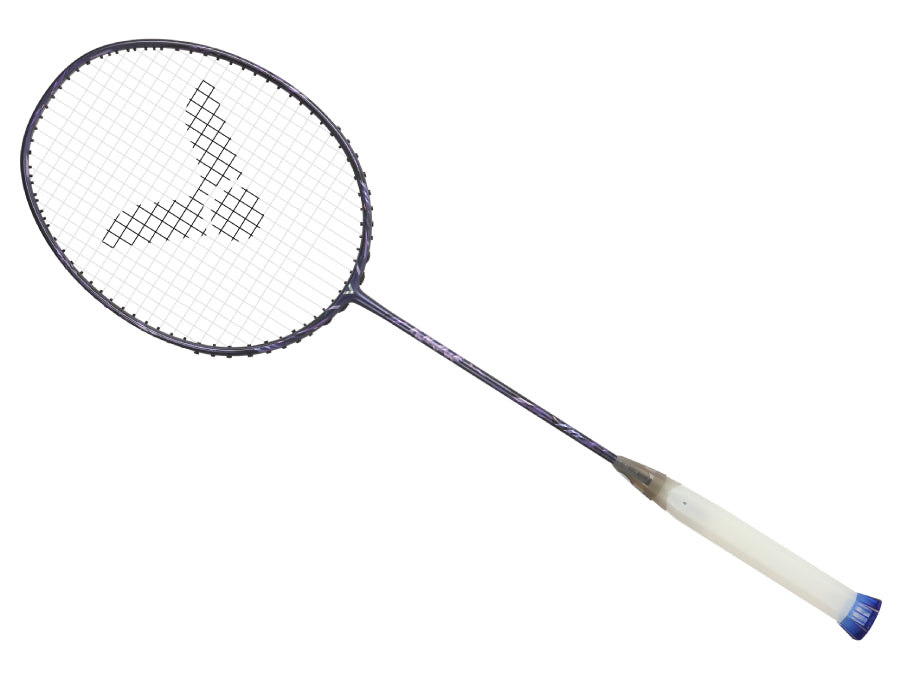
Image: e78.us (Victor Auraspeed Fantome) ~$195street estimate
Best for: Club head-light all-court
- Weight
- 4U
- Balance
- Head-light
- Shaft flex
- Stiff
Why this pick: Compact head-light Victor line for club doubles and mixed — stiff shaft keeps drives crisp while recovery stays quick.
Tradeoff: Less top-end drive speed than HS Plus or 1000Z — upgrade when contact is consistent.

Image: Yonex (yonex.com) — current 2024 colourway ~$240street estimate
Best for: Head-light defensive recovery
- Weight
- 4U
- Balance
- Head-light
- Shaft flex
- Stiff
Why this pick: Designed for fast-flat doubles exchanges and defensive recovery. Stiff shaft rewards clean drives and quick block returns.
Tradeoff: Less rear-court power than even-balance Arcsaber lines — pick by role.
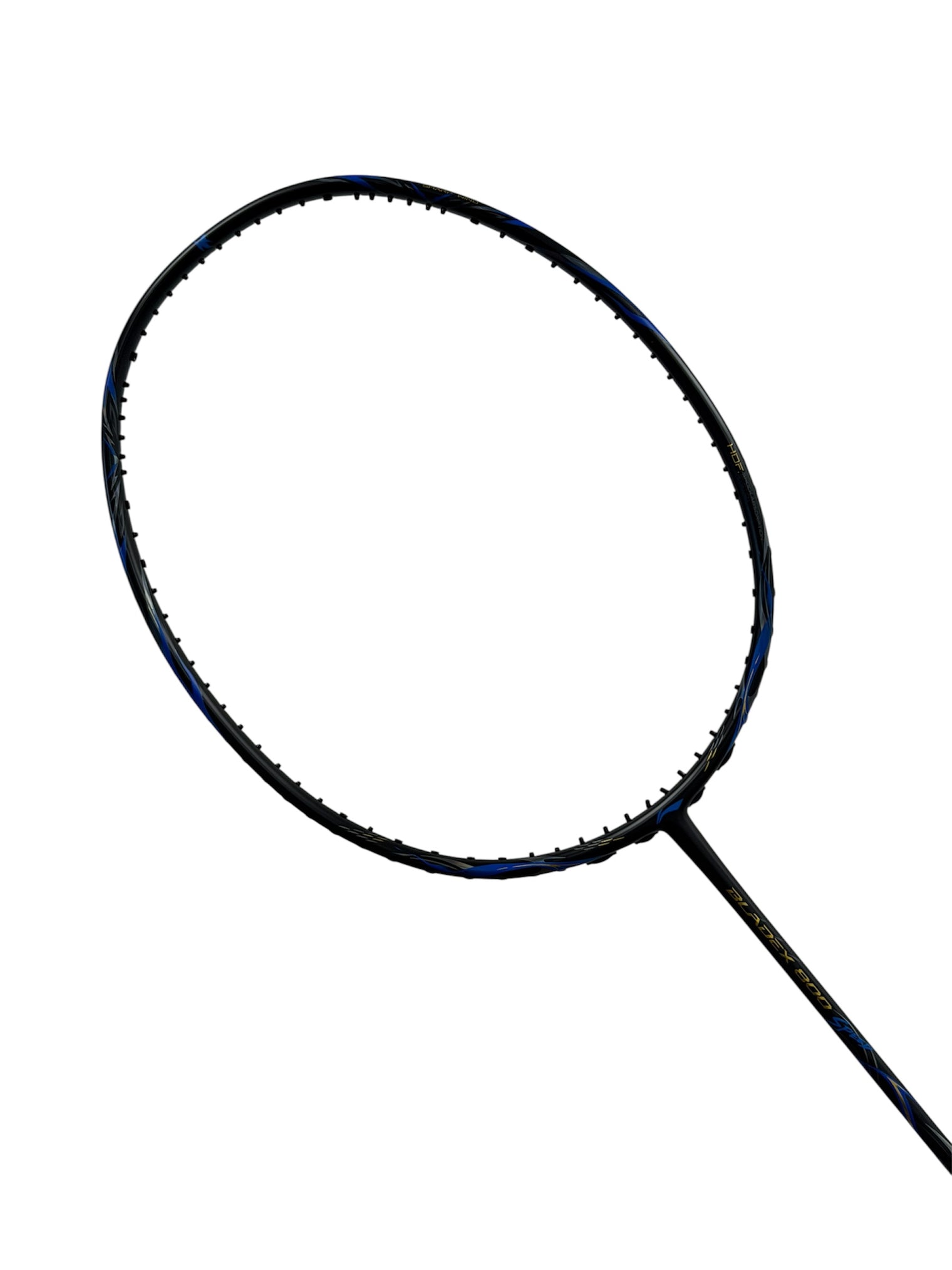
Image: Li-Ning (li-ningsports.co.uk) ~$160street estimate
Best for: Value head-light speed
- Weight
- 4U
- Balance
- Head-light
- Shaft flex
- Medium-stiff
Why this pick: Li-Ning speed geometry at a mid-tier price — credible head-light option for club players testing net-first or front-court doubles roles.
Tradeoff: Build consistency varies by batch — inspect grip and frame alignment on delivery.
~$99street estimate
Best for: Budget head-light intro
- Weight
- 7.0i (~70g)
- Balance
- Head-light
- Shaft flex
- Hi-flex
Why this pick: Entry Nanoray head-light template for players learning net-first geometry without flagship pricing. Hi-flex shaft forgives timing while you build contact quality.
Tradeoff: Outgrown quickly by competitive players — treat as a learning frame, not a destination racket.
Frequently asked
Are head-light rackets easier on the shoulder?+
Usually yes for net and drive-heavy games because recovery is faster. But a stiff head-light frame can still feel harsh if you force rear-court smashes. Flex and tension matter as much as balance point.
Head-light vs 5U — which is lighter?+
They measure different things. 5U is total weight (75–79g); head-light is where that mass sits. A 4U head-light frame can feel quicker at the net than a 5U head-heavy junior frame.
Can rear-court players use head-light rackets?+
Only if your winners come from placement and steep angle rather than raw mass. Most rear-court specialists want even or head-heavy balance. See our smash-heavy guide if power is the goal.
Match balance to your court role
The finder scores head-light, even, and head-heavy frames against your discipline, style, and comfort flags — so you do not buy speed geometry when you need smash mass.