
Best badminton shoes (2026)
The shoe matters more than the racket. Six picks ranked by stability, fit width, cushioning, and how they actually feel during a side lunge — not how they look in a photo.
By Rui Su · Founder, IntoBadminton · Div 4 Ireland · trained under former Malaysia national and China provincial-team coachesUpdated
Disclosure: Some outbound retailer links may be affiliate links. They never change editorial order or fit scores. Affiliate policy
How to think about a badminton shoe
Three things matter: fit width (length is easier to size; width is what locks the foot during a lunge), stability (lateral reinforcement that resists rolling on hard direction changes), and cushioning vs ground feel (more cushioning protects your knees over long sessions; less cushioning lets you feel the floor under split steps). Running shoes do none of these — they are designed for a forward gait, not a lateral one.
| Fit width | Cushioning | Stability | Best for | |||||
|---|---|---|---|---|---|---|---|---|
| #1 | Yonex Power Cushion 65 Z Wide | ~$165 | 4.0 | 71 | Wide (also regular avail.) | Medium-high | Very high | Wide feet, club to tournament play |
| #2 | Yonex Power Cushion Aerus Z2 | ~$175 | 4.3 | 66 | Narrow / regular | Low-medium | Medium-high | Light, fast players (singles speed) |
| #3 | Yonex Power Cushion Comfort Z3 | ~$145 | 4.3 | 69 | Regular / wide | High | High | Joint-comfort priority |
| #4 | Victor P9200 Series | ~$130 | 4.1 | 71 | Regular (slightly snug heel) | Medium | Very high | Asian fit, value tournament shoe |
| #5 | Yonex Eclipsion Z3 | ~$200 | — | 62 | Regular | High | Very high | Maximum stability and protection |
| #6 | Li-Ning BladeSabre Max | ~$110 | — | 66 | Regular | Medium | Medium-high | Best sub-$120 shoe |
Finder fit scores use the reference club doubles profile. Take the quiz for your shortlist.
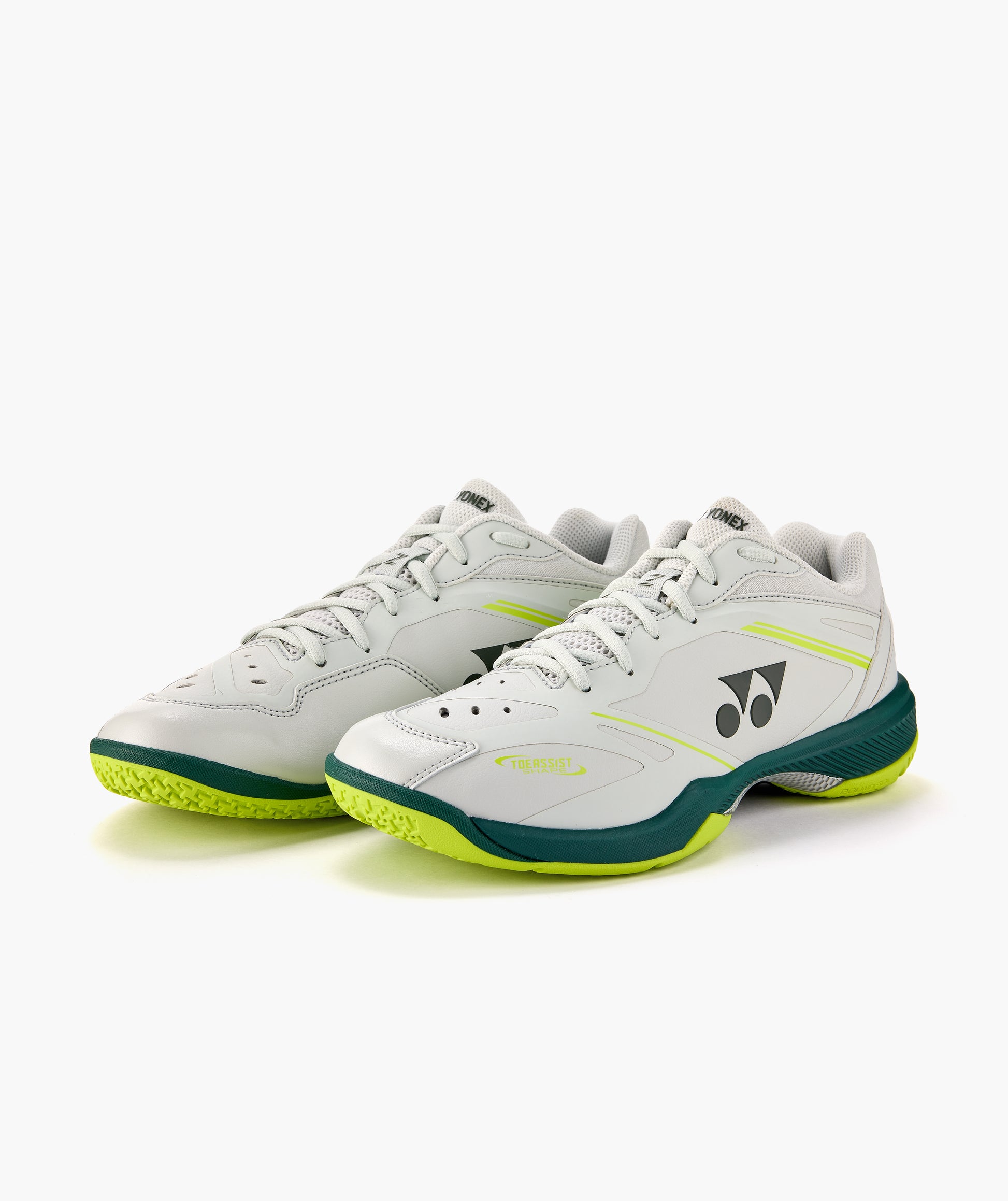
Image: Yonex (us.yonex.com) #1 · Yonex
Power Cushion 65 Z Wide
~$165street estimate
Best for: Wide feet, club to tournament play
- Fit width
- Wide (also regular avail.)
- Cushioning
- Medium-high
- Stability
- Very high
Why this pick: The most universal recommendation in badminton — Z-tier stability with a wide fit option, which is rare. Power Cushion+ midsole protects the heel on landing, the upper locks the forefoot, and the outsole grips wood and synthetic floors equally well.
Tradeoff: Slightly heavier than dedicated speed shoes. If you weigh under 60kg and play short sessions, a lighter shoe may feel quicker.
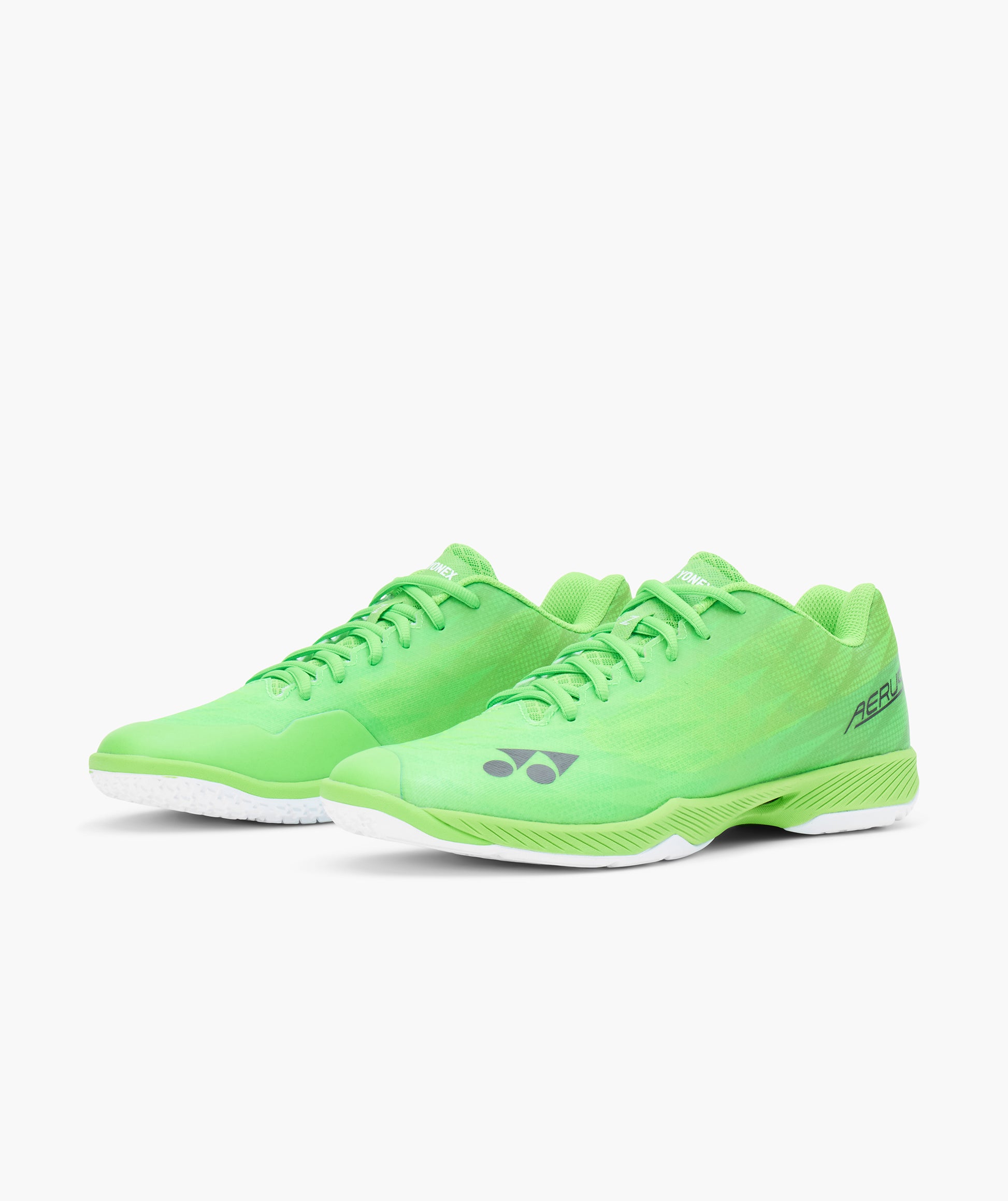
Image: Yonex (us.yonex.com) #2 · Yonex
Power Cushion Aerus Z2
~$175street estimate
Best for: Light, fast players (singles speed)
- Fit width
- Narrow / regular
- Cushioning
- Low-medium
- Stability
- Medium-high
Why this pick: Yonex's lightest tournament shoe — almost ballet-flat under foot, with enough cushioning to survive 90-minute matches. The choice for narrow feet who want speed and ground feel over protection.
Tradeoff: Wide-footed players will find it punishing. Players over 80kg may want more cushioning for knee comfort.
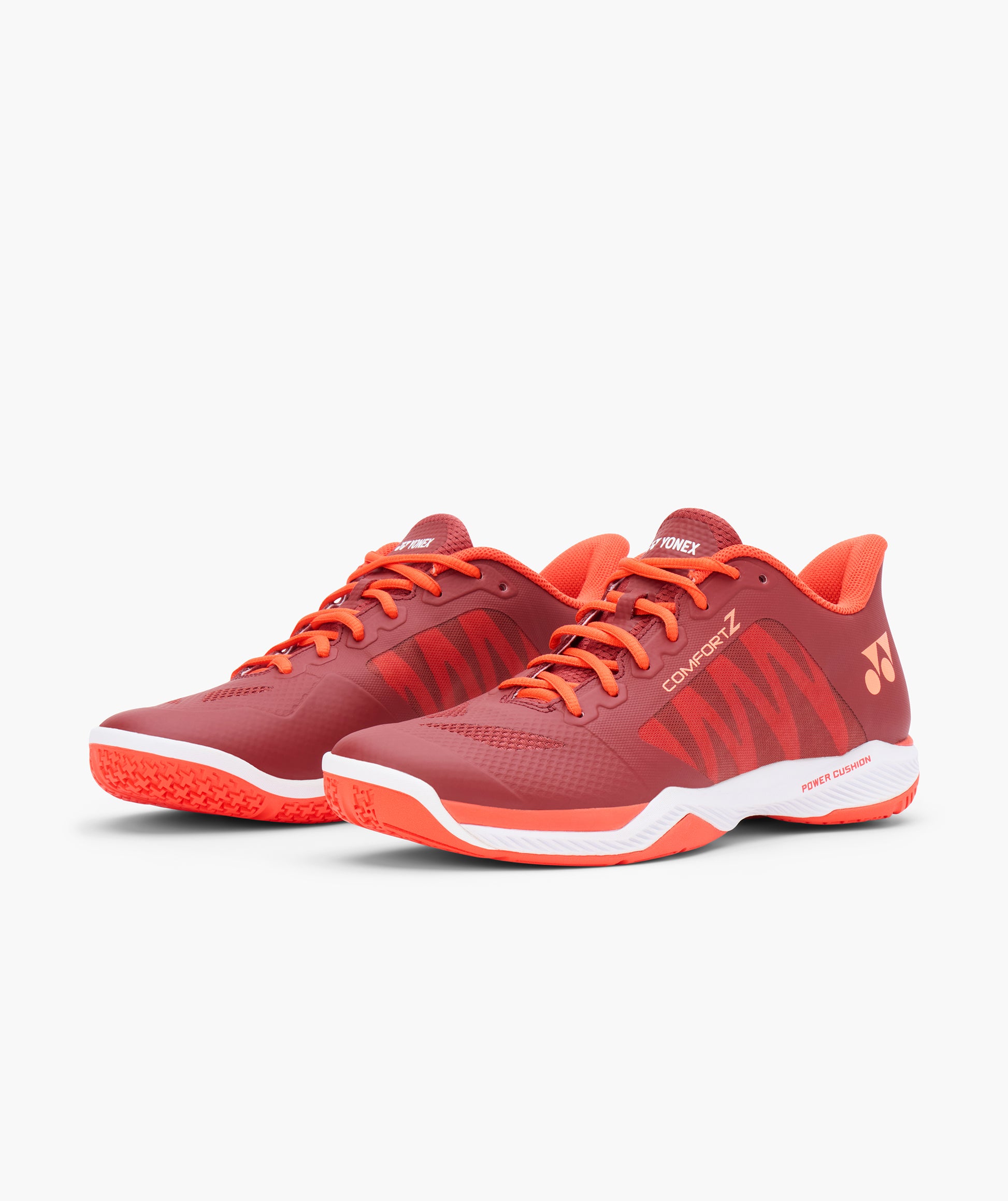
Image: Yonex (us.yonex.com) #3 · Yonex
Power Cushion Comfort Z3
~$145street estimate
Best for: Joint-comfort priority
- Fit width
- Regular / wide
- Cushioning
- High
- Stability
- High
Why this pick: Built around all-day comfort. The thicker midsole protects players coming back from ankle, knee, or heel injuries. Trades a fraction of court speed for meaningfully reduced session-end fatigue.
Tradeoff: Less responsive than the Aerus Z2. Pure speed players in their 20s rarely need this much cushioning.
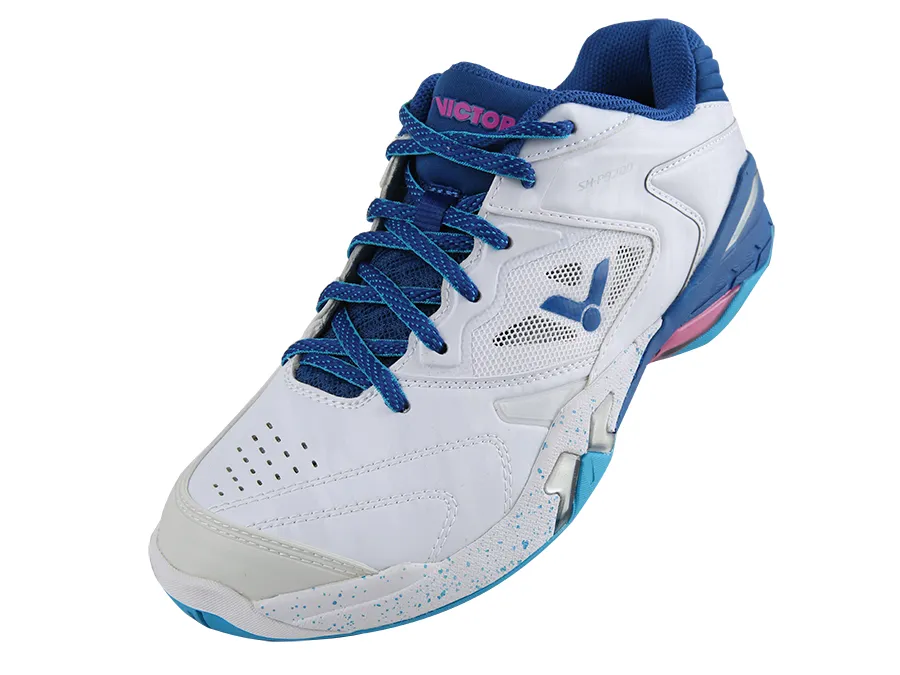
Image: Victor (victorsport.com) #4 · Victor
P9200 Series
~$130street estimate
Best for: Asian fit, value tournament shoe
- Fit width
- Regular (slightly snug heel)
- Cushioning
- Medium
- Stability
- Very high
Why this pick: Victor's flagship court shoe — popular on the Korean tour. Excellent torsional stability through the midfoot and a competitive price tier. Best alternative to the Yonex 65 Z Wide if your foot fits Asian lasts well.
Tradeoff: Narrower heel cup than Yonex equivalents. Try on in store if possible — heel slip ruins the shoe.
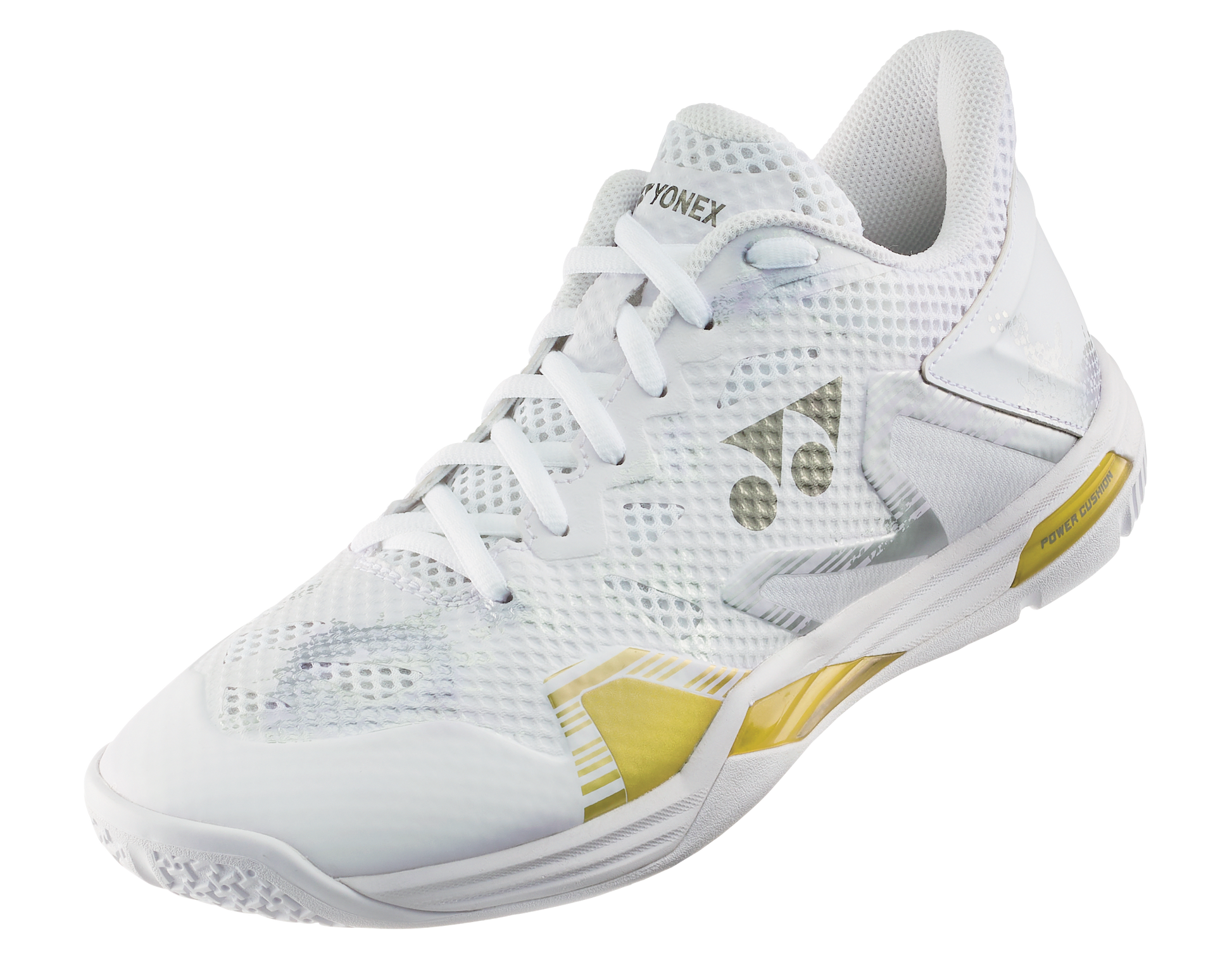
Image: Yonex (us.yonex.com) #5 · Yonex
Eclipsion Z3
~$200street estimate
Best for: Maximum stability and protection
- Fit width
- Regular
- Cushioning
- High
- Stability
- Very high
Why this pick: The 'tank' of Yonex's lineup — Power Cushion+ heel, reinforced upper, and the strongest torsional plate in the line. The pick for heavier players, ankle-recovery players, or anyone who plays singles tournaments back-to-back.
Tradeoff: Heaviest in this list. If you play under 90 minutes per session and weigh under 75kg, the protection is overkill.

Image: Li-Ning (li-ningsports.co.uk) — Blade Max AYAU003-2 (UK name for Bladesabre MAX) #6 · Li-Ning
BladeSabre Max
~$110street estimate
Best for: Best sub-$120 shoe
- Fit width
- Regular
- Cushioning
- Medium
- Stability
- Medium-high
Why this pick: Li-Ning's most legitimately competitive court shoe at the value tier. Build quality has caught up to Yonex / Victor mid-range models, and grip on wood courts is excellent. Strong choice if you replace shoes annually and refuse to spend $150+.
Tradeoff: Less stability than Power Cushion 65 Z. Skip if you have ankle history.
Frequently asked
How often should I replace my badminton shoes?+
Most club players need new shoes every 9-15 months even if the upper looks fine. The midsole compresses and the outsole gum rubber loses grip long before visible wear. Track replacement by date, not by appearance — write the purchase date inside the tongue with a marker.
Are wide-fit badminton shoes really wider than regular?+
Yes — and the difference is meaningful. Yonex Power Cushion 65 Z Wide adds about 5-8mm of forefoot width vs the regular 65 Z. Players who run wide should never buy 'regular' fit and 'just go up half a size' — the result is heel slip during lateral lunges and slower recovery.
Can I use my running shoes for badminton at first?+
Strongly discouraged once you play more than once a week. Running shoes have raised heels that promote rolling on lateral movements — it is the most common preventable ankle injury at club level. A $90 entry-tier badminton shoe is dramatically safer than a $200 running shoe on a wood court.
Should I size up because feet swell during play?+
Slightly, but not as much as in running. Try shoes on after a session if possible. As a rule of thumb: a half size up from your daily-walking shoe is usually right. Going a full size up creates heel slip; a tight fit creates blister hot spots on the toes.
Tell the finder your foot width and comfort flags
Shoe recommendations are scored against fit width, body weight, joint comfort, and budget — so the result actually fits, not just sells.
Keep reading
Best wide-feet badminton shoes
Six picks with wide or wide-available lasts ranked by stability and cushioning.
Read →
Wide feet badminton shoes guide
How to size wide lasts, what to avoid, and when to size up instead.
Read →
Badminton shoes vs running shoes
Why lateral stability and court rubber matter more than running-shoe cushioning.
Read →